Nyerere National Park (Selous)
Africa's largest protected area — boat safaris, walking expeditions, and 1,300 wild dogs in true wilderness.
About Nyerere National Park (Selous)
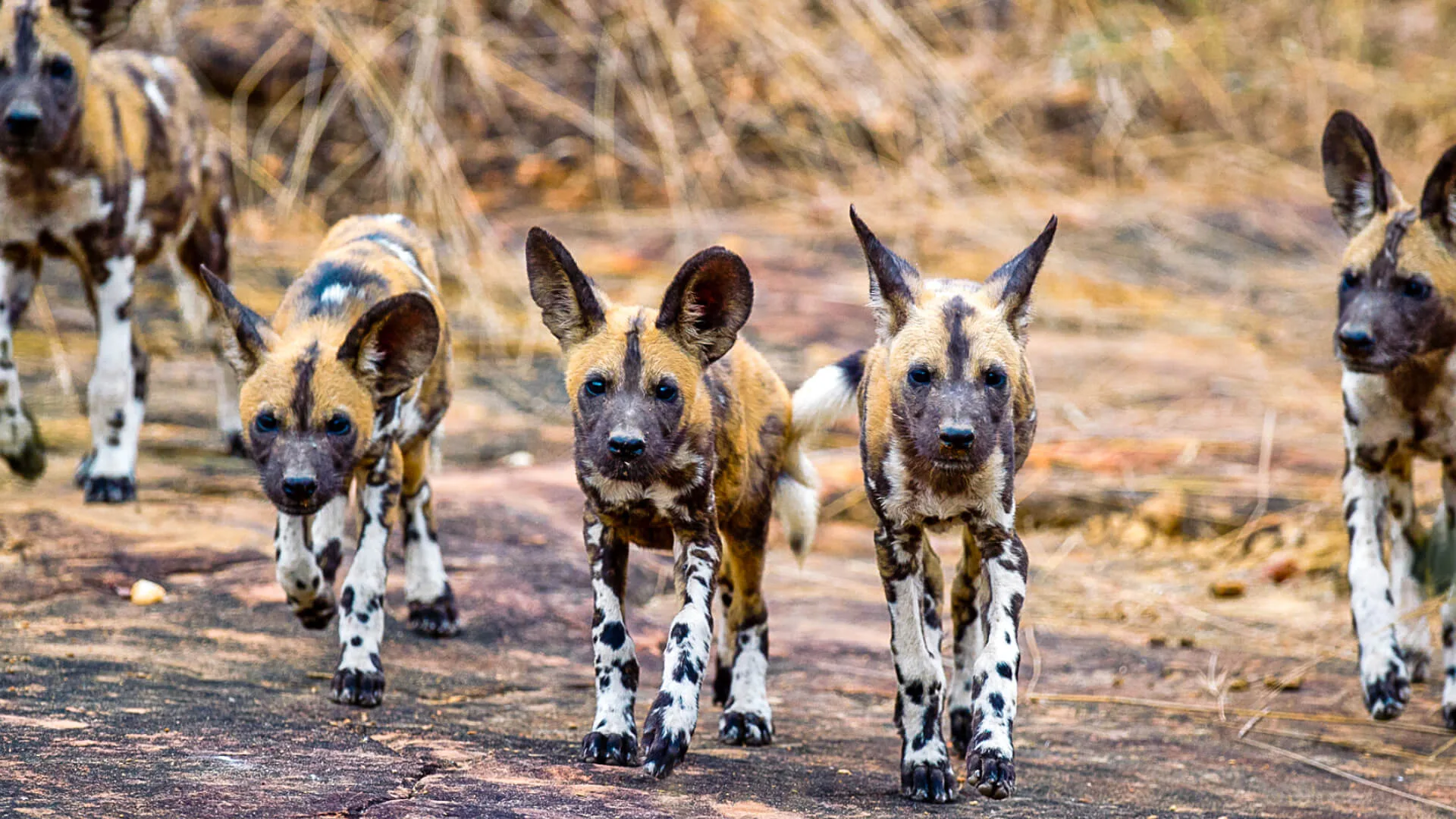
Nyerere National Park, formerly known as the northern sector of the Selous Game Reserve, covers approximately 30,893 square kilometres in southern Tanzania — making it the largest protected area in Africa and a UNESCO World Heritage Site. Renamed in 2019 in honour of Tanzania's founding father Julius Nyerere, this vast wilderness offers a safari experience that stands in dramatic contrast to the well-trodden northern circuit. The Rufiji River, the largest river in East Africa, is the lifeblood of Nyerere. Its meandering channels, oxbow lakes, and sandbanks create a rich riparian ecosystem that supports enormous concentrations of hippo, Nile crocodile, and waterbirds. Boat safaris along the Rufiji are the park's signature experience, gliding past hippo pods, kingfishers, African skimmers, and fish eagles as elephants come to drink on the sandy banks. The river's network of lakes — Tagalala, Manze, and Nzerakera — provides exceptional game-viewing from boats and on foot. Walking safaris are a hallmark of the Nyerere experience, taking advantage of the park's open fly-camping regulations that allow multi-day walking expeditions through untracked wilderness. The park's sheer size means that visitor densities are extraordinarily low — you may not see another vehicle for an entire game drive. Nyerere protects one of Africa's largest populations of African wild dog (estimated at over 1,300 individuals), along with significant numbers of elephant, lion, buffalo, sable antelope, and Lichtenstein's hartebeest — species rarely encountered on the northern circuit.
Key Wildlife
Nyerere National Park (Selous) in Pictures
Areas & Highlights
Rufiji River & Lakes
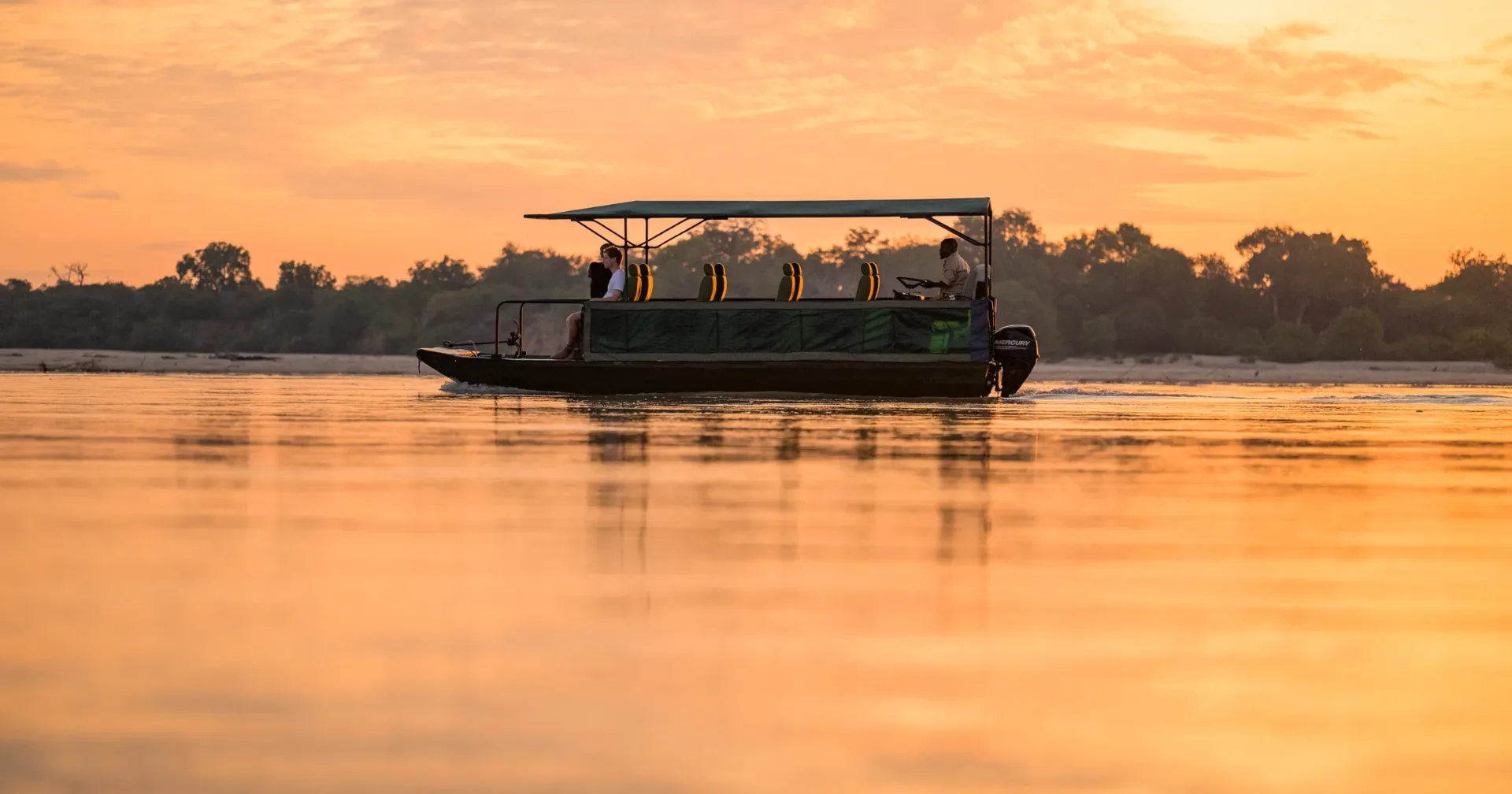
The Rufiji River flows west to east through the park's northern sector, its channels creating a network of oxbow lakes — Lake Tagalala, Lake Manze, Lake Nzerakera, and Lake Siwandu — teeming with hippo, crocodile, and waterbirds. Boat safaris along the Rufiji and its lakes are the park's signature experience, offering unique water-level photography of African fish eagle, malachite kingfisher, and pods of up to 50 hippos.
Beho Beho Hills
The Beho Beho area in the park's northern sector features elevated terrain with hot springs, providing panoramic views across the vast Selous wilderness. Named after the Swahili word for breeze, this area was a key battleground during World War I between German and British forces. Walking safaris from Beho Beho's hilltop camps are among the finest in Africa, traversing palm-lined springs and open miombo woodland.
Stiegler's Gorge
Stiegler's Gorge is a dramatic 100-metre-deep, 100-metre-wide canyon carved by the Rufiji River through ancient rock. Named after a Swiss explorer killed by an elephant here in 1907, the gorge is now the site of the Julius Nyerere Hydropower Project. The gorge area supports large crocodile and hippo concentrations, and the surrounding woodland is prime lion and wild dog territory.
Budget Safari Deals
3-Day Group Joining Safari
3 Days / 2 Nights
Price on request
3-Day Lake Manyara & Ngorongoro Safari
3 Days / 2 Nights
Price on request
3-Day Tarangire & Ngorongoro Safari
3 Days / 2 Nights
Price on request
3-Day Budget Serengeti Safari
3 Days / 2 Nights
Price on request
4-Day Mikumi National Park Safari
4 Days / 3 Nights
Price on request
4-Day Camping & Cultural Safari
4 Days / 3 Nights
Price on request
Explore Other Destinations
Stone Town
UNESCO World Heritage Site — Swahili architecture, spice markets & rooftop dining
Read GuideSerengeti
Home to the only championship golf course inside a major national park — Par 72, 7,065m, wildlife on every hole
Read GuideNgorongoro Conservation Area
World's largest volcanic caldera — all Big Five in a single morning, 25,000 resident animals
Read GuideNungwi
Zanzibar's sunset coast — tide-free swimming, dhow builders & vibrant nightlife
Read GuideTarangire National Park
3,000 elephants, ancient baobabs, and 550 bird species — the northern circuit's best-kept secret.
Read GuideKendwa
Luxury beachfront resorts, tide-free swimming & legendary full moon parties
Read Guide