Serengeti National Park
Group camping safaris starting at $150/day — the same lions, the same migration, just a smarter price.
About Serengeti National Park
Serengeti National Park camping safaris prove that world-class wildlife does not require world-class budgets. The park's public campsite network places budget travellers in the heart of prime wildlife territory at a fraction of lodge prices. Seronera Public Campsite sits in the central Serengeti where resident game — including lion prides, leopards, and elephant herds — is present year-round regardless of migration timing. Budget operators run 3-4 day camping itineraries that include all park entry fees (which represent the largest single cost at $70/day for foreign adults), a professional English-speaking guide, a cook who prepares fresh meals at camp, tents and sleeping equipment, and unlimited game drives within the itinerary. Groups of 4-6 travellers sharing a vehicle bring per-person costs to $150-200 per day all-inclusive. Solo travellers can join scheduled group departures running weekly from Arusha. The budget experience differs from luxury mainly in accommodation and exclusivity — the wildlife encounters are genuinely identical. A cheetah hunting on the Serengeti plains does not check your room rate.
Key Wildlife
Serengeti National Park in Pictures
Areas & Highlights
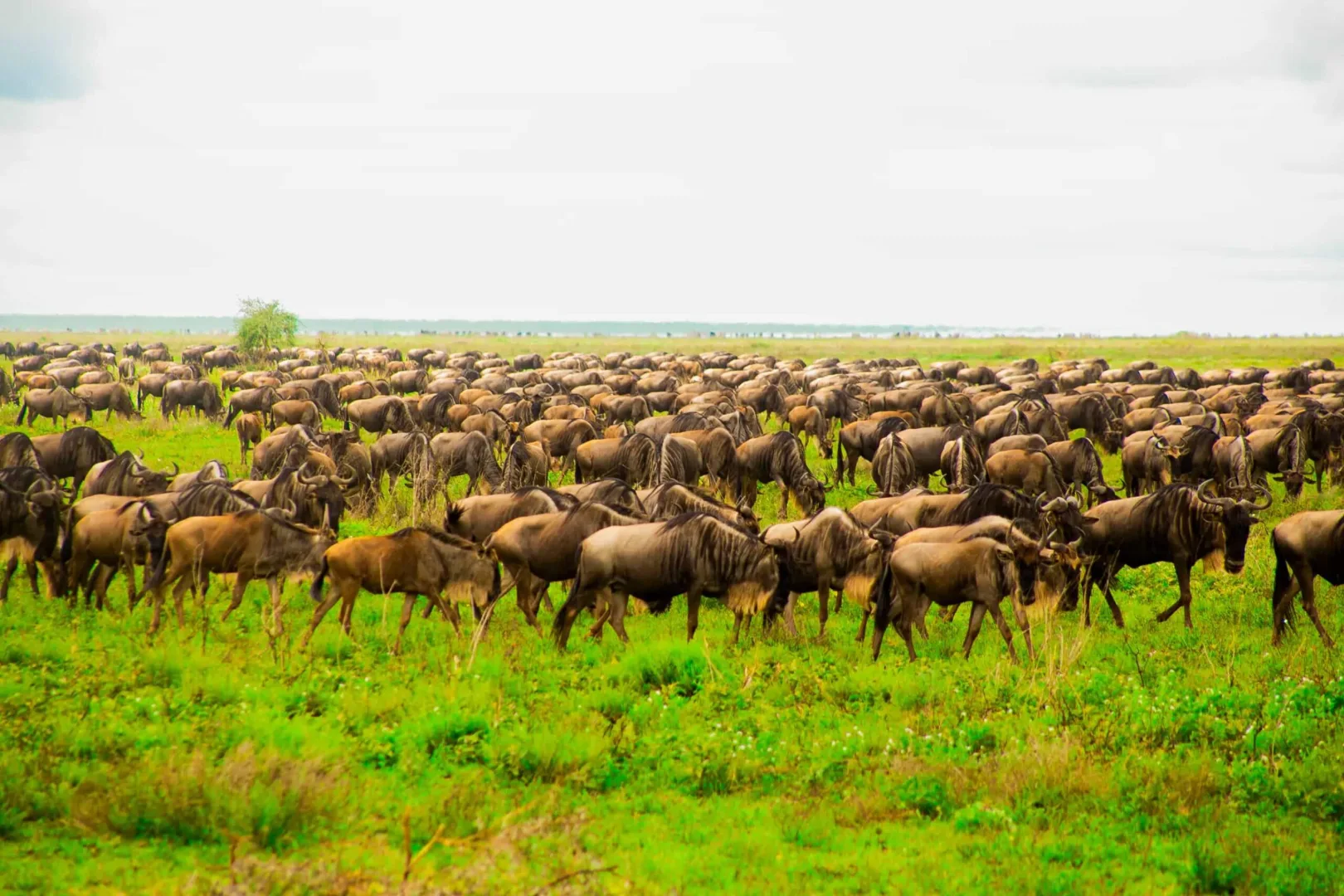
Central Serengeti / Seronera
The wildlife hub of the Serengeti, centred on the Seronera River valley. Year-round resident predators, the highest concentration of leopard in Africa, and the closest access to the Serengeti National Park Golf Course. Most luxury lodges — including Four Seasons and Serena — are located here.
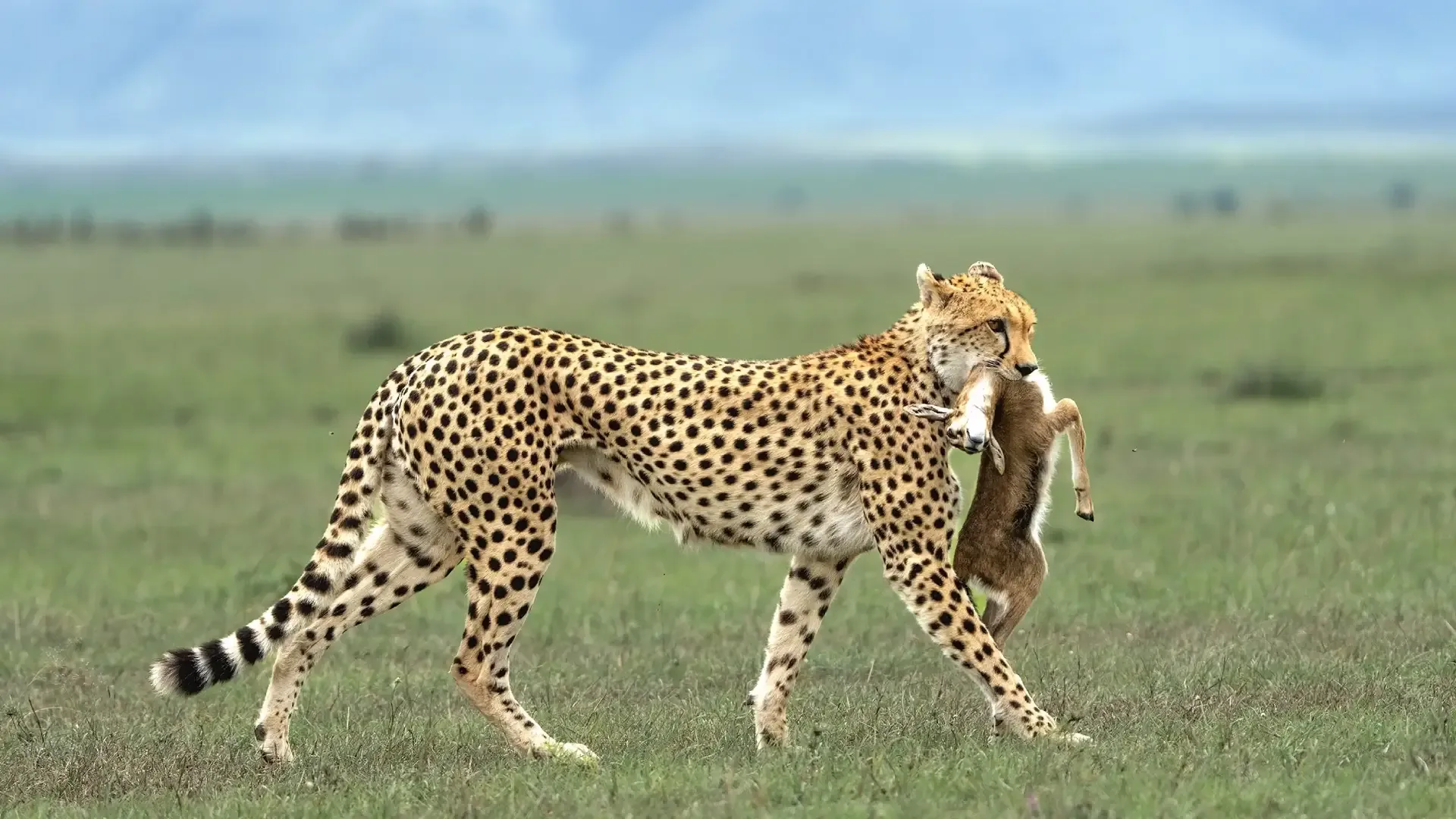
Western Corridor
The Grumeti River system defines this region, where massive Nile crocodiles await the migration herds and Singita's private concession offers exclusive game viewing. The western corridor fills with migrating wildebeest from May to July as the herds move north toward the Mara River.
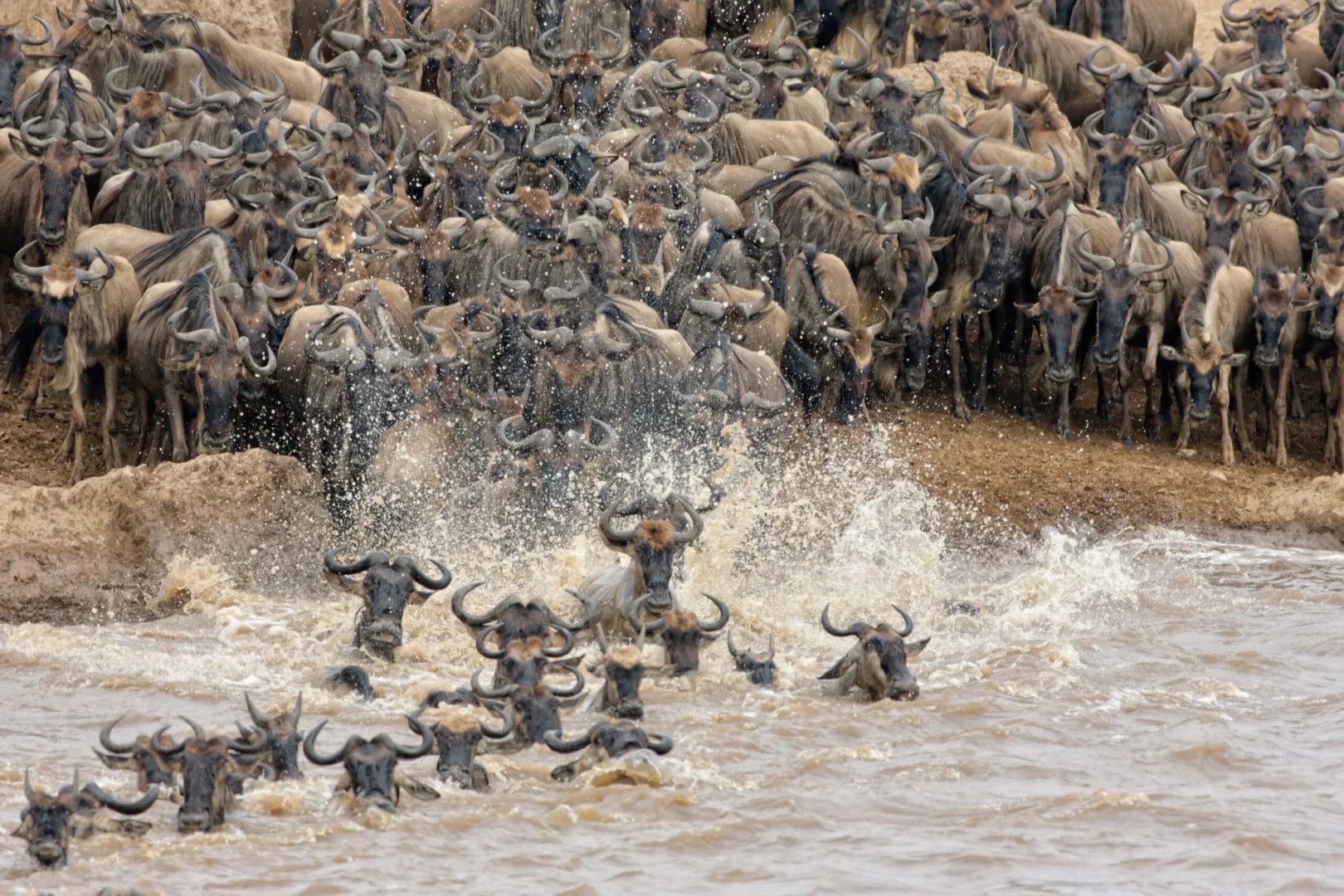
Northern Serengeti / Mara River
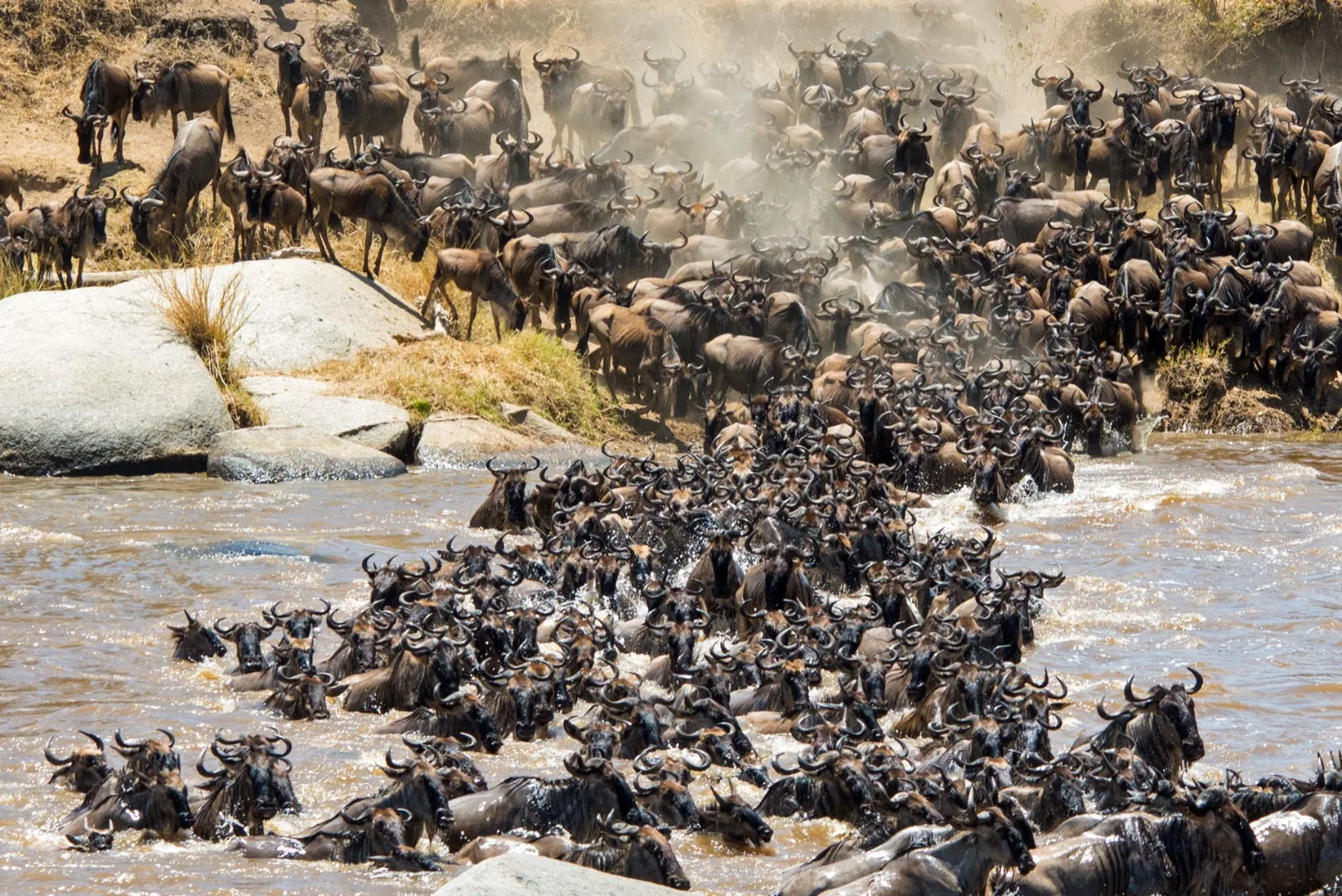
The dramatic climax of the Great Migration plays out here from July to October, as millions of wildebeest and zebra cross the crocodile-infested Mara River. Remote, wild, and less visited than the central Serengeti, this region rewards those who make the journey with the most spectacular wildlife theatre on earth.
Northern Serengeti (Kogatende)
The Northern Serengeti, centred around the Kogatende area and the Mara River, is where the Great Migration reaches its dramatic climax. From July through October, vast herds of wildebeest and zebra gather along the Mara River's banks, building in number and agitation until thousands plunge into the fast-flowing, crocodile-patrolled waters in a desperate bid to reach the lush grazing on the opposite bank. These river crossings are widely considered the single most spectacular wildlife event on the planet, with columns of animals stretching to the horizon as dust clouds rise from the riverbanks. The northern sector is characterised by rolling hills, dense riverine forest along the Mara, and open grassland dotted with whistling thorn and red oat grass. Beyond the migration, the area supports excellent resident wildlife including lion prides that specialise in hunting along the river, large leopard populations in the gallery forest, and elephant herds moving between Tanzania and Kenya. The Kogatende airstrip provides fly-in access, and the surrounding camps offer intimate, low-density safari experiences with unparalleled proximity to the crossings.
Southern Serengeti (Ndutu)
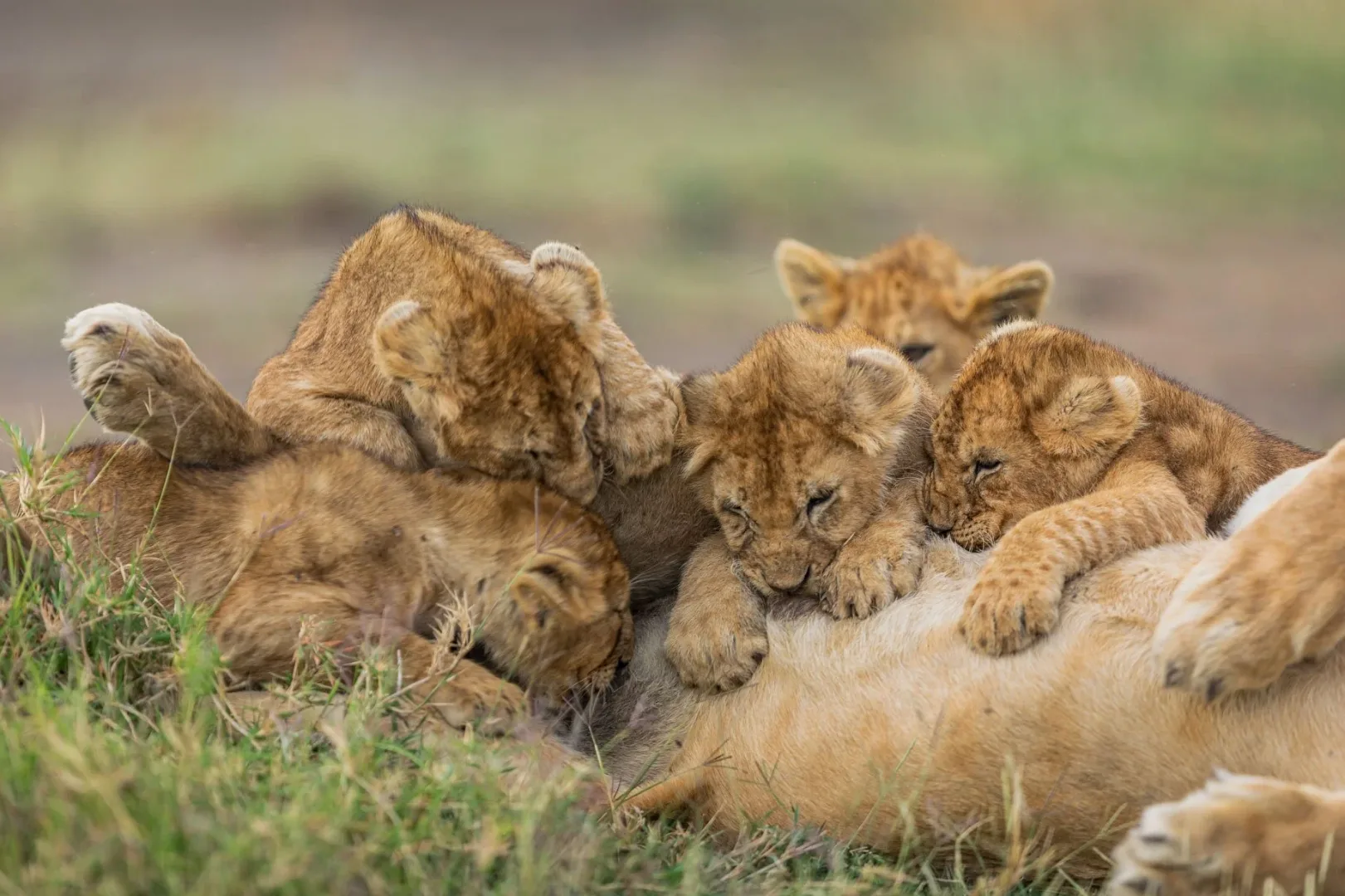
The Southern Serengeti and the adjacent Ndutu area, straddling the boundary between the Serengeti National Park and the Ngorongoro Conservation Area, come alive from December to March when the migration herds converge on the short-grass plains for their annual calving season. The nutrient-rich volcanic soils, deposited by ancient eruptions from the Ngorongoro highlands, produce mineral-dense grasses that are essential for lactating mothers and their newborn calves. During the peak calving period in January and February, approximately 8,000 wildebeest calves are born each day — a staggering output that attracts every predator in the ecosystem. Lion, cheetah, hyena, jackal, and wild dog feast on the bounty, while vultures circle overhead in vast kettles. The open, flat terrain of the Ndutu plains provides exceptional visibility, making this one of the finest locations in Africa for observing predator-prey dynamics. Lake Ndutu and the surrounding acacia woodland offer year-round birdwatching, with flamingos, pelicans, and raptors in abundance. The area's seasonal camps operate from December to March, offering front-row seats to the calving spectacle.
Budget Safari Deals
3-Day Group Joining Safari
3 Days / 2 Nights
$415 per person
3-Day Lake Manyara & Ngorongoro Safari
3 Days / 2 Nights
$455 per person
3-Day Tarangire & Ngorongoro Safari
3 Days / 2 Nights
$495 per person
3-Day Budget Serengeti Safari
3 Days / 2 Nights
$585 per person
4-Day Mikumi National Park Safari
4 Days / 3 Nights
$625 per person
4-Day Camping & Cultural Safari
4 Days / 3 Nights
$650 per person