
Zanzibar
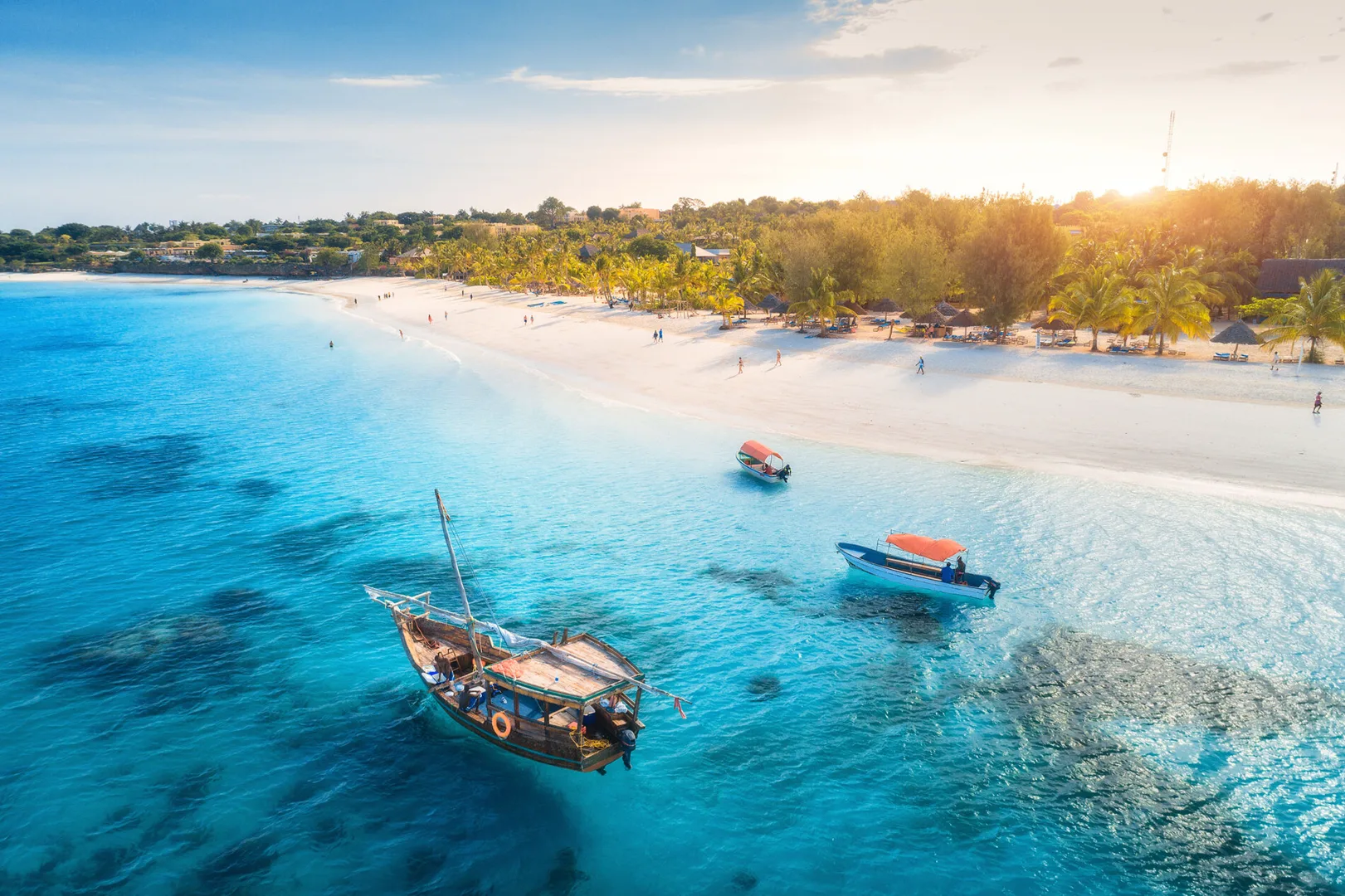
Budget beach paradise after your safari — Zanzibar guesthouses with the same turquoise water.
About Zanzibar
Zanzibar is the classic budget beach destination to pair with a mainland Tanzania safari. While luxury resorts dominate the marketing, independent budget travellers have been exploring Zanzibar on shoestring budgets for decades. Guesthouses and budget hotels in Stone Town start at $20-35 per night, while beach bungalows on the east coast (Paje, Jambiani) cost $25-50 per night — and you get the same stunning turquoise Indian Ocean that luxury guests enjoy. Budget Zanzibar essentials include: Stone Town's Forodhani night food market (full seafood dinner for $5-8), local dalla-dalla minibuses connecting all beach areas ($1-2), affordable snorkelling trips to nearby reefs ($15-25), and Jozani Forest visits ($12 entry). The Paje and Jambiani areas on the southeast coast offer the best budget beach experience — long, uncrowded beaches, kitesurfing schools with competitive rates, and a backpacker-friendly vibe with affordable restaurants. For budget safari travellers, adding 3-4 nights on Zanzibar costs as little as $200-300 total including the ferry from Dar es Salaam.
Key Wildlife
Zanzibar in Pictures
Areas & Highlights
Stone Town
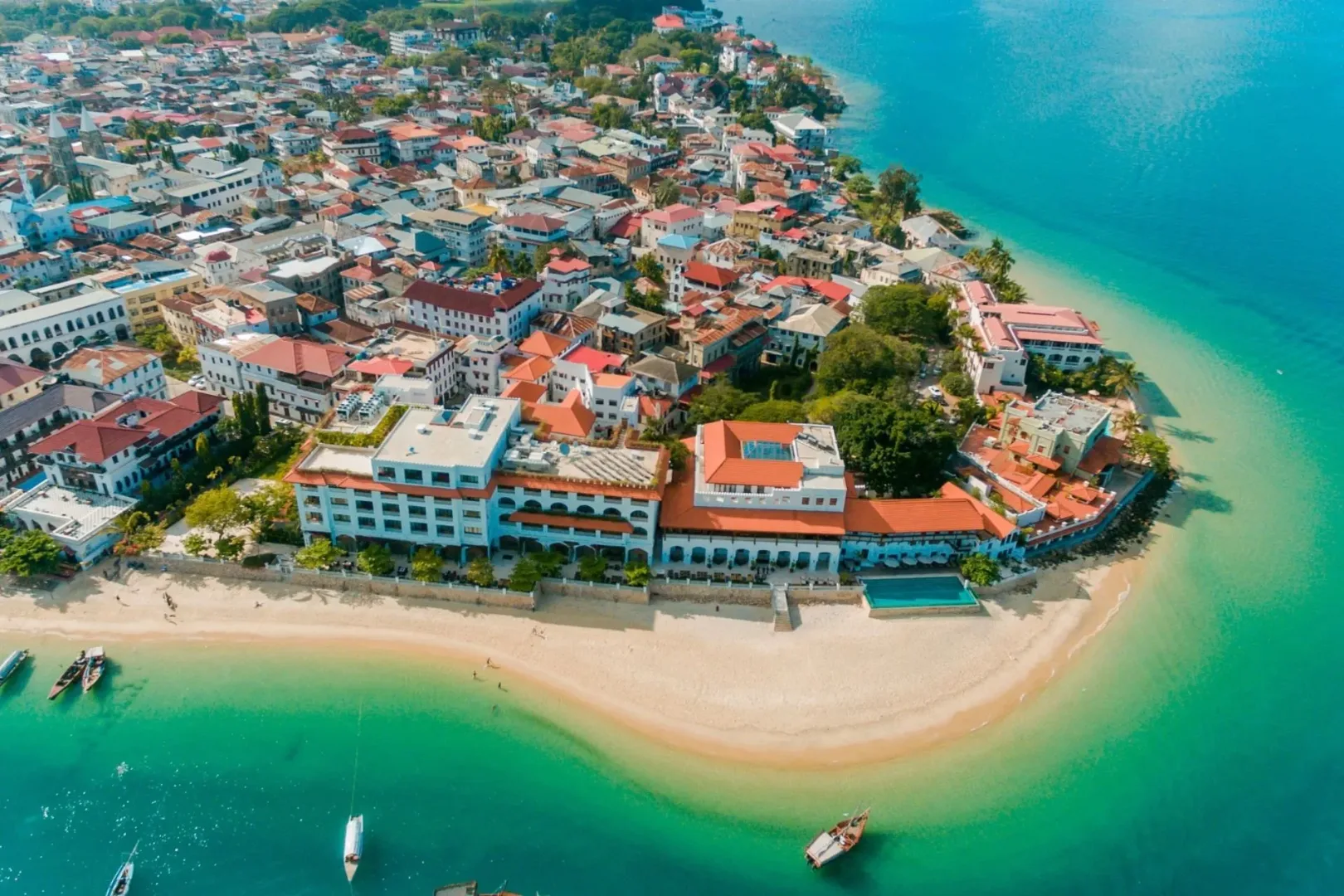
Stone Town is the historic heart of Zanzibar City and a UNESCO World Heritage Site that encapsulates centuries of Indian Ocean trade, cultural exchange, and architectural innovation. Its labyrinth of narrow alleyways, over 1,700 intricately carved wooden doors, and coral-rag buildings blending Arab, Indian, Persian, and European influences create one of Africa's most atmospheric urban landscapes. The town was once the commercial capital of the Swahili coast and a major hub for the spice and slave trades, and this layered history is visible in every ornate balcony, crumbling palace facade, and waterfront promenade. Key landmarks include the House of Wonders (Beit-al-Ajaib), the first building in East Africa to have electricity; the Old Fort (Ngome Kongwe), built by Omani Arabs in the 17th century; and the former Anglican Cathedral, constructed on the site of the last open slave market, where the altar stands where the whipping post once was. The Forodhani Gardens night market on the seafront is a nightly spectacle of grilled octopus, Zanzibar pizza, and sugar cane juice. Guided spice tours depart from Stone Town to the island's interior, where clove, vanilla, cinnamon, black pepper, and nutmeg plantations perfume the air. Two to three days in Stone Town provides a rich cultural immersion before or after a beach retreat.
Nungwi (North Coast)
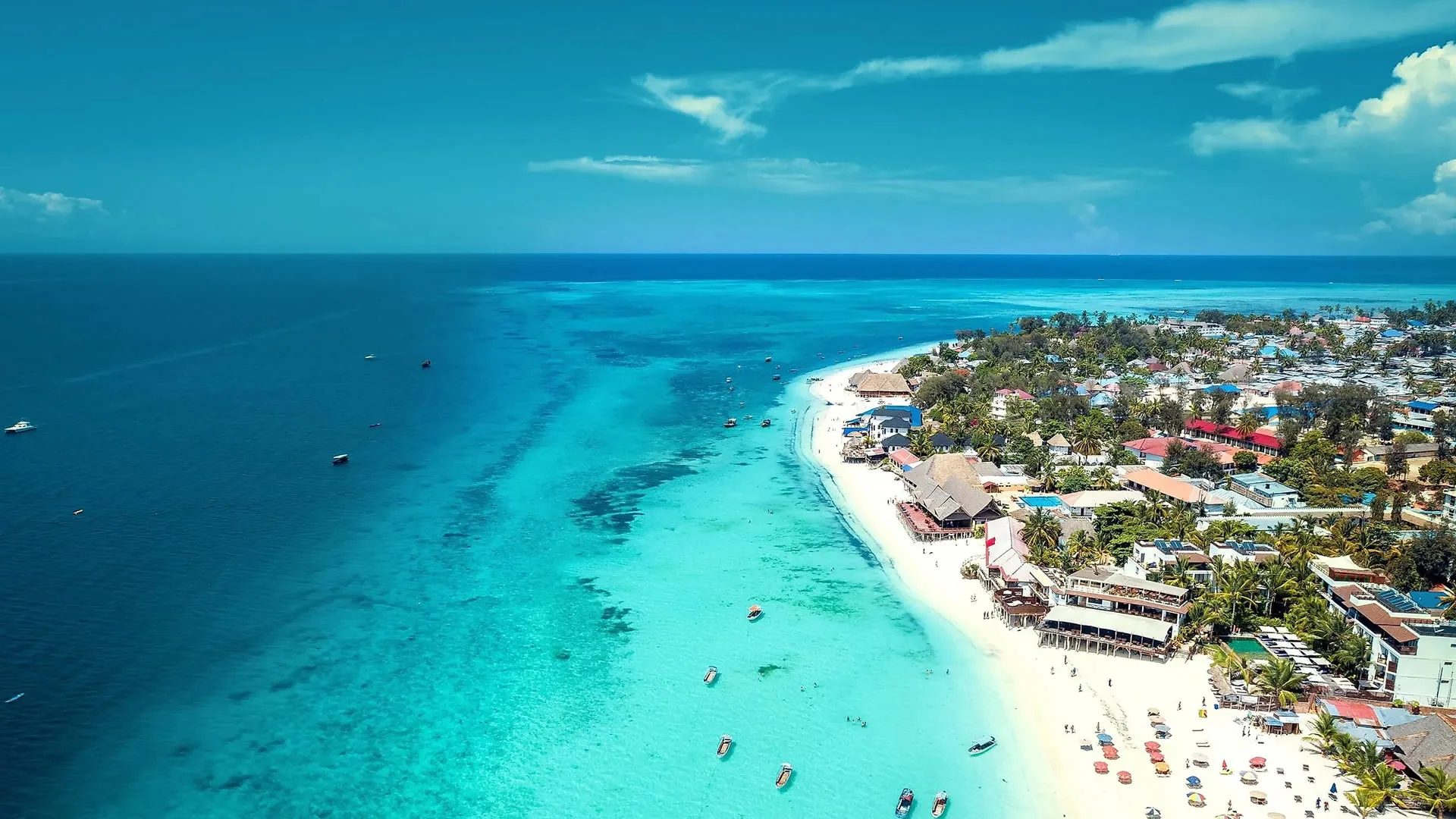
Nungwi occupies the northern tip of Zanzibar's main island, where the west and east coast currents converge to create deep, clear water that remains swimmable at all tides — a significant advantage over the east coast, where low tide can expose kilometres of shallow flats. The village has evolved from a traditional dhow-building centre into Zanzibar's most popular beach destination, with a crescent of white sand backed by coconut palms and a lively collection of beach bars, seafood restaurants, and boutique to luxury resorts. Nungwi serves as the main departure point for snorkelling and diving trips to Mnemba Atoll, a marine conservation area located 3 kilometres offshore. The atoll's coral gardens support over 600 species of tropical fish, green and hawksbill sea turtles that nest on the sandbar, bottlenose dolphins, and seasonal whale shark sightings from October to March. Sunset dhow cruises from Nungwi are a Zanzibar institution, with traditional wooden sailing vessels gliding across golden waters as the sun drops below the horizon. The adjacent village of Kendwa hosts the island's famous Full Moon Party and offers an equally beautiful but slightly quieter beach experience.
Paje (East Coast)
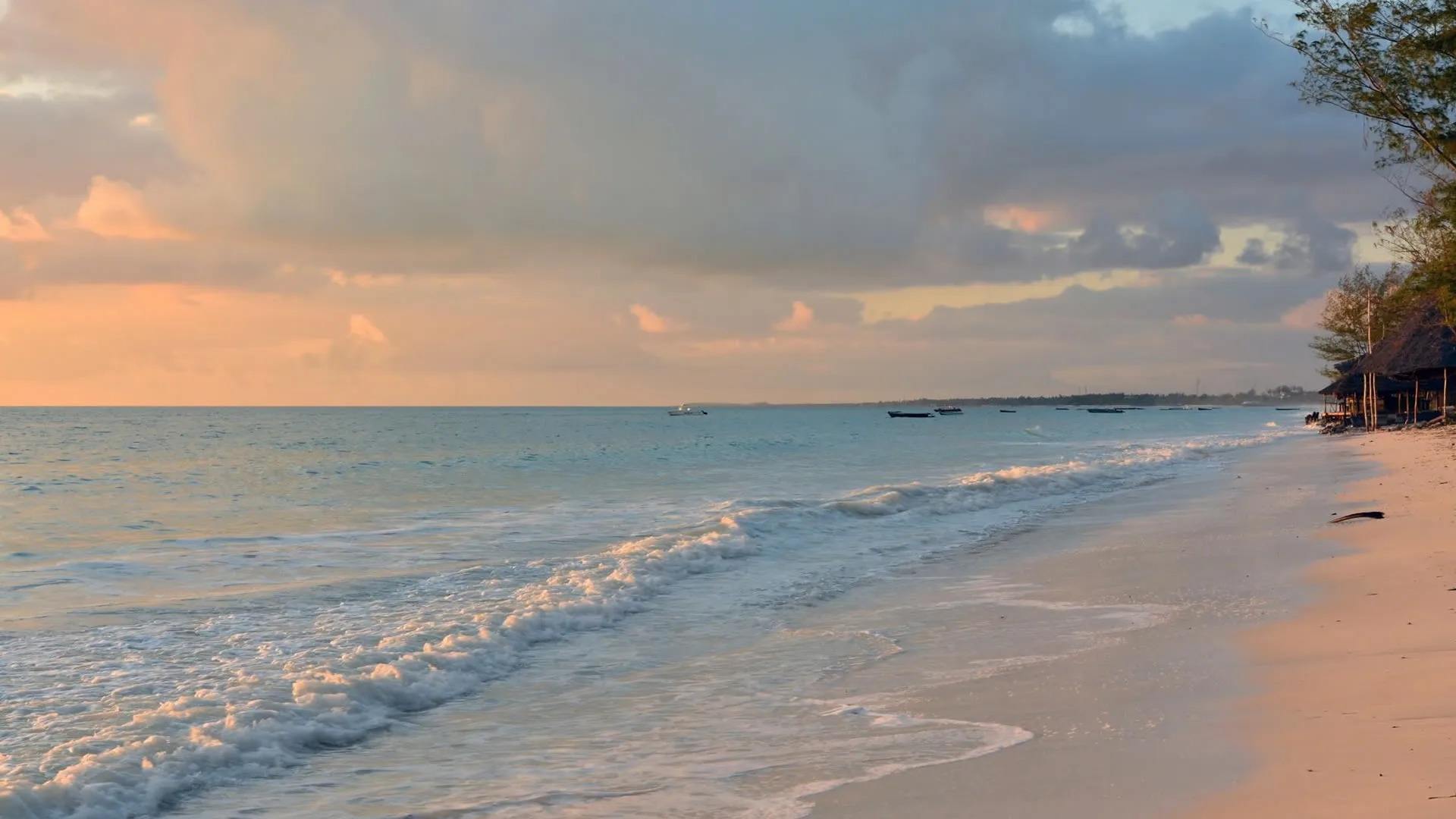
Paje has emerged as East Africa's premier kitesurfing destination, thanks to its consistent trade winds from June to October and December to March, combined with a vast, shallow lagoon that creates ideal flat-water conditions for beginners and freestyle riders. At low tide, the lagoon drains to ankle depth, revealing a kilometres-wide expanse of white sand dotted with seaweed farms tended by local women — a scene that has become one of Zanzibar's most photographed landscapes. Beyond kitesurfing, Paje offers a relaxed, bohemian atmosphere that attracts a younger, more independent traveller than the resort-heavy north coast. Beachfront boutique hotels and eco-lodges line the shore, interspersed with open-air restaurants serving freshly grilled lobster and Swahili curry. The east coast's proximity to Jozani Forest — Zanzibar's only national park, protecting the endemic red colobus monkey (estimated population 5,800) — makes for an easy half-day excursion. Diving on the nearby reefs at Kizimkazi reveals dolphins, coral formations, and the underwater caves of Chumbe Island Coral Park, a globally recognised marine conservation success story.
Budget Safari Deals
8-Day Safari & Zanzibar Beach Combo
8 Days / 7 Nights
Price on request
10-Day Ultimate Tanzania Budget Safari & Beach
10 Days / 9 Nights
Price on request
14-Day Grand Tanzania Budget Safari
14 Days / 13 Nights
Price on request
3-Day Group Joining Safari
3 Days / 2 Nights
Price on request
3-Day Lake Manyara & Ngorongoro Safari
3 Days / 2 Nights
Price on request
3-Day Tarangire & Ngorongoro Safari
3 Days / 2 Nights
Price on request
Explore Other Destinations
Stone Town
UNESCO World Heritage Site — Swahili architecture, spice markets & rooftop dining
Read GuideSerengeti
Home to the only championship golf course inside a major national park — Par 72, 7,065m, wildlife on every hole
Read GuideNungwi
Zanzibar's sunset coast — tide-free swimming, dhow builders & vibrant nightlife
Read GuideNgorongoro Conservation Area
World's largest volcanic caldera — all Big Five in a single morning, 25,000 resident animals
Read GuideTarangire National Park
3,000 elephants, ancient baobabs, and 550 bird species — the northern circuit's best-kept secret.
Read GuideKendwa
Luxury beachfront resorts, tide-free swimming & legendary full moon parties
Read Guide